Trouble

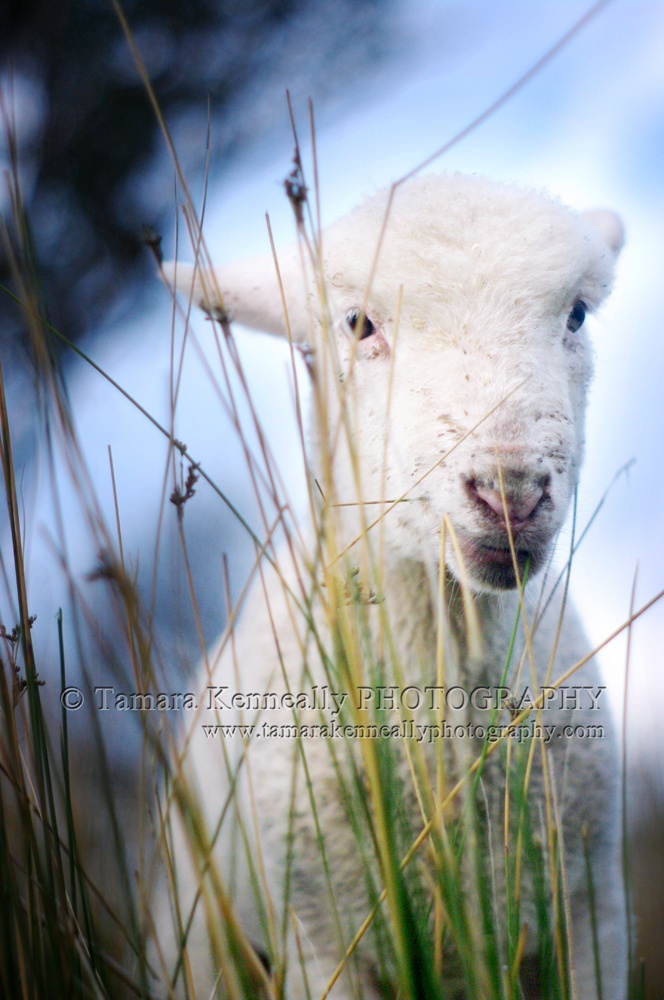
He was always trouble. From the first moment I saw him, I knew he was trouble. My beautiful, cheeky Trouble. The first boy to greet any visitors at the gate. The first boy to show you his huge personality. The first boy to race towards me when I call. The first boy to storm through the crowd to proudly stand at the front. That’s my Trouble.
16web

He was found freezing to death in a paddock down Geelong way in early June, 2013. Abandoned by a mother who had probably just given birth to triplets and didn’t have the capabilities to care for three lambs, he lay in the icy paddock getting colder and colder. Two people came along and saw him and another dying lamb, picked them up and drove them to a safe, warm place. They were about one day old when rescued. It is estimated the 15 million lambs die of exposure each year in Australia within the first 48 of their lives. Most newborn lambs die from exposure to cold weather, usually at night, or a lack of shelter and food. Some are abandoned by their mothers; others are too small to survive, usually when born a twin or triplet. Farmers schedule lambs births in the dead of winter because of the ample pasture available which means they don’t have to spend money on supplementary feeding.
17web

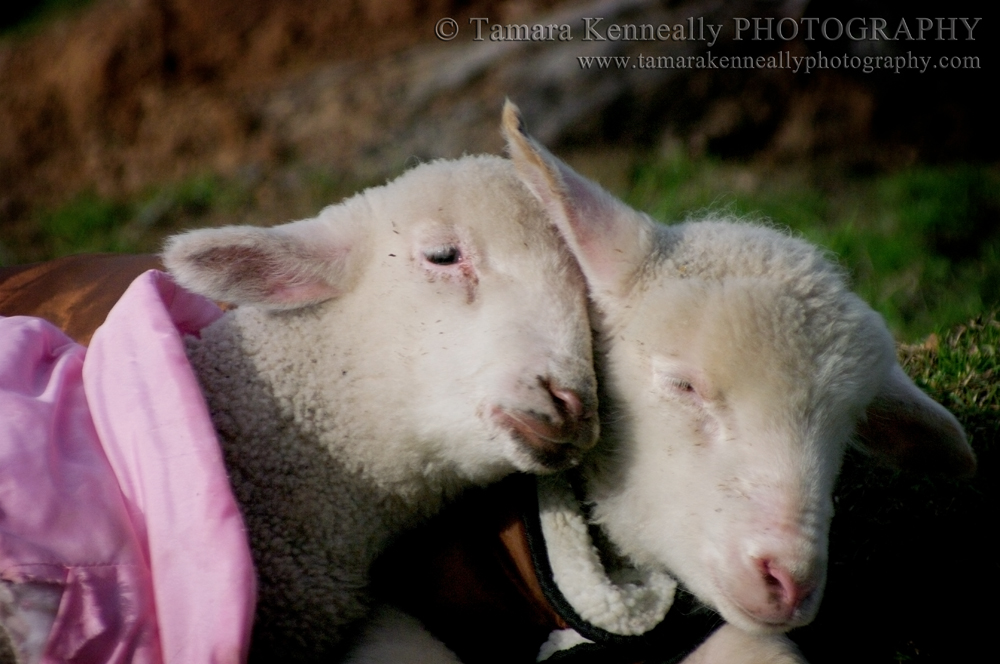
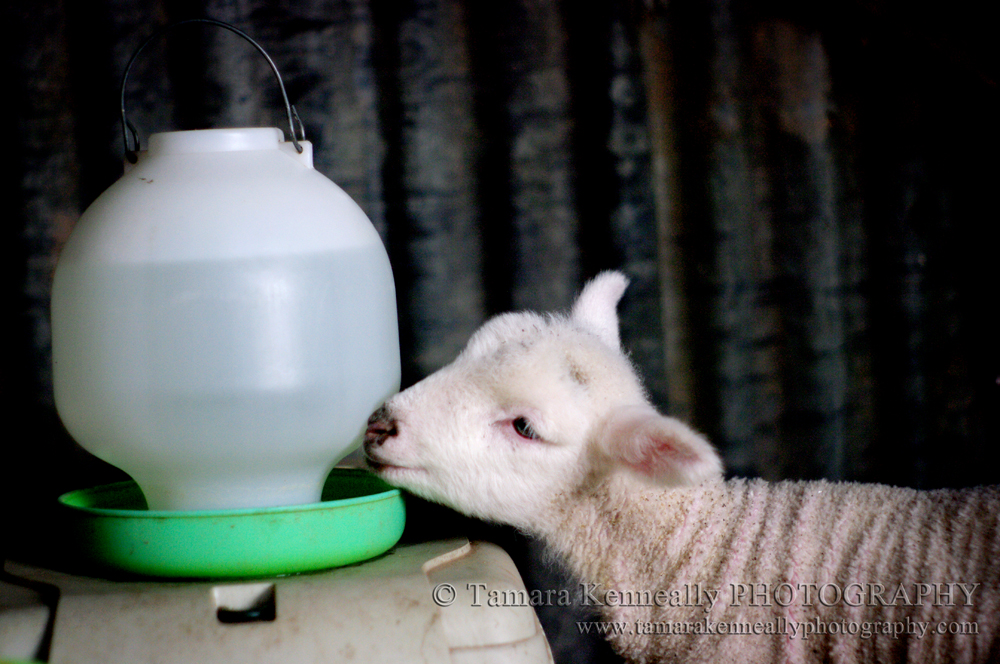
These two tiny lambs made a visit to Lefty’s Place the next day. They were only supposed to be visiting for a few days, but as soon as they were lifted out of the car, it was clear they would never be going anywhere else. One little boy had a little black nose with spots on it. He was the cheekiest boy. He jumped over sheep gates, pushed up chicken fences and found his way into the oddest of predicaments. I remember saying to J, “This little man is trouble. That’s his name. Trouble” and so it was, his name was Trouble. His little friend earned the named of “Greedy” because of his insatiable appetite.
21web

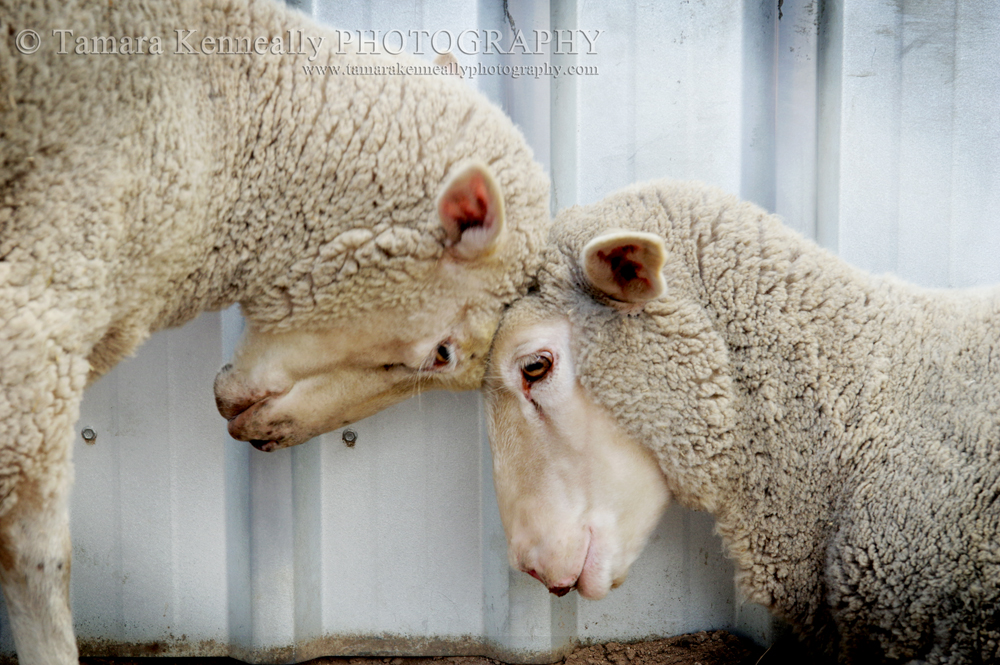
Trouble and Greedy are like brothers. Never far from each other and always looking out for each other. Theres is an unbreakable bond.
6web

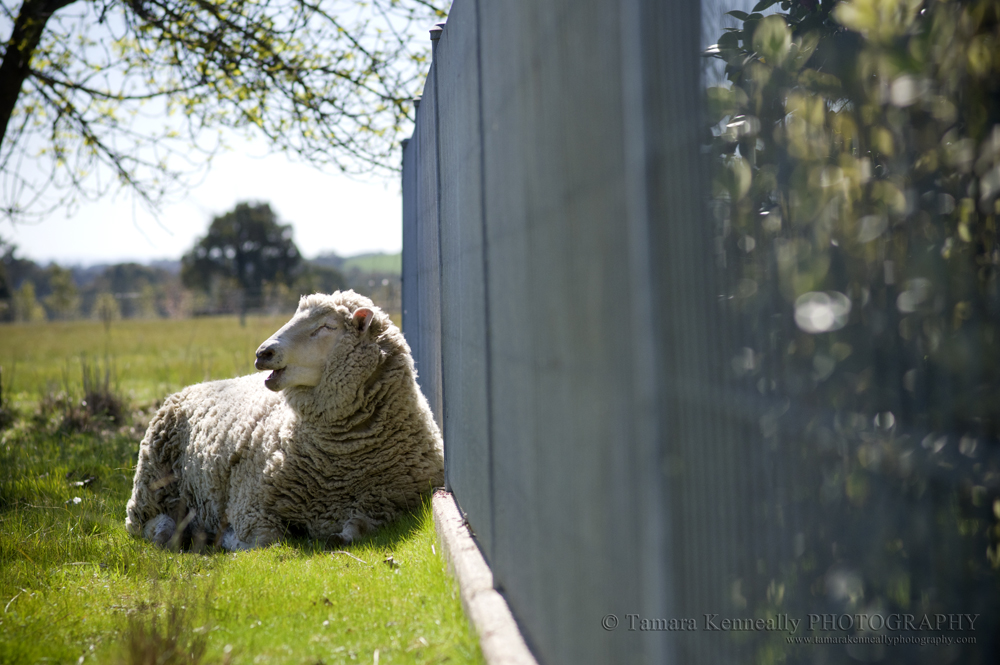
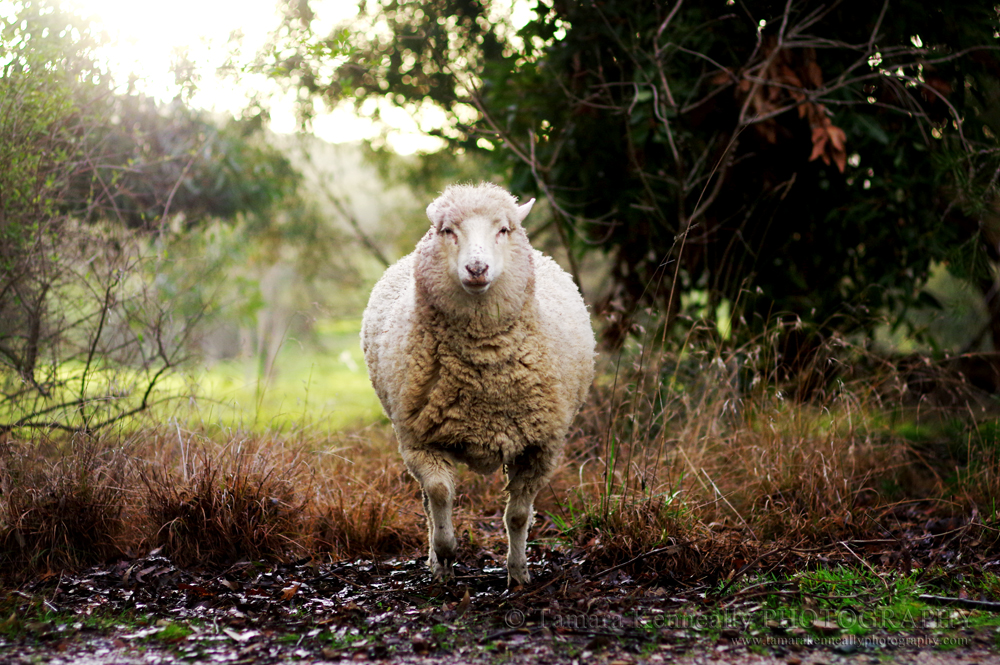
My gorgeous Trouble always knew who he was in life. He’s never changed from day one. Cheeky, friendly, confident, brash, affectionate and so very clever.
14web

13web

Please don’t use my images without permission. All images are Copyright Tamara Kenneally
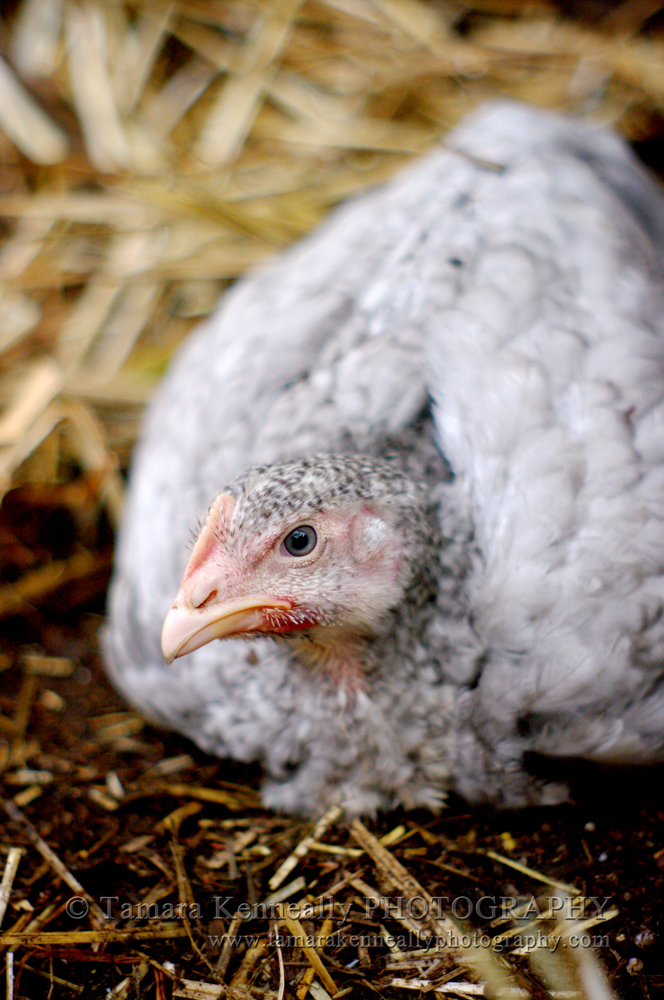
Hedwig

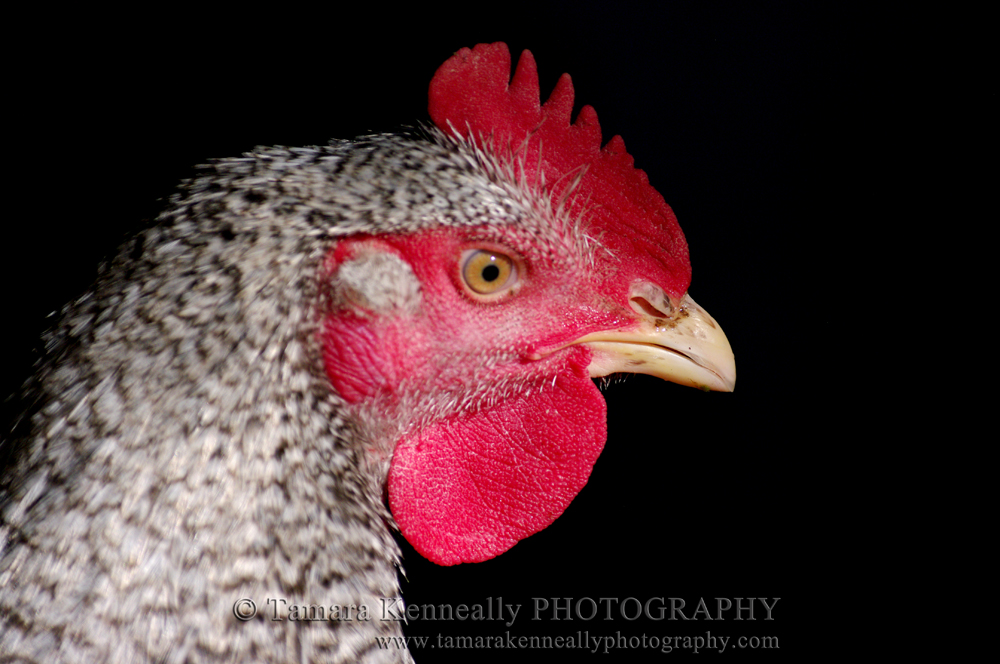
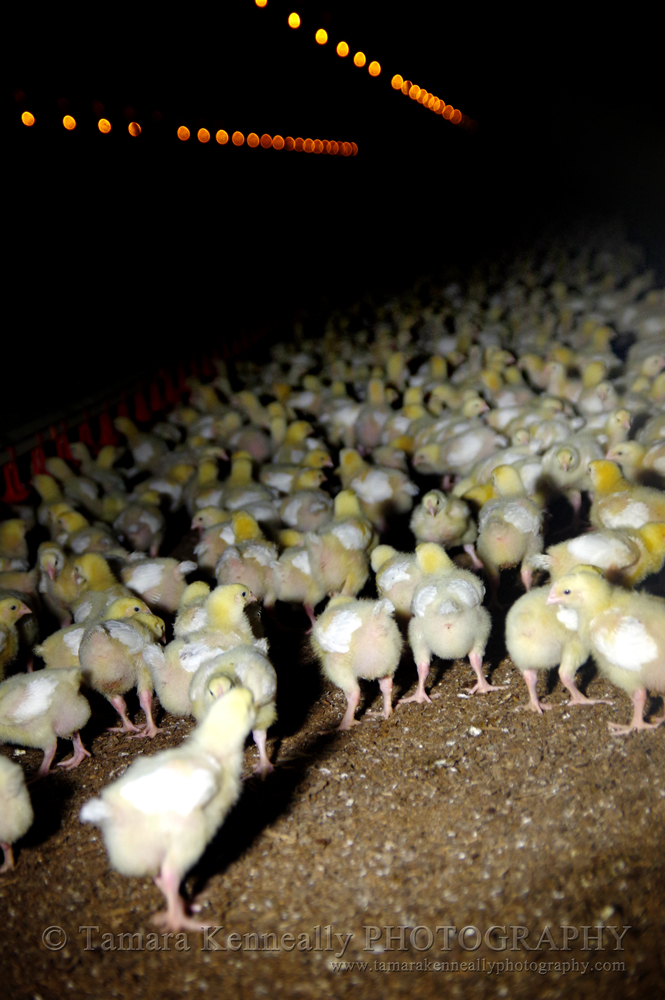
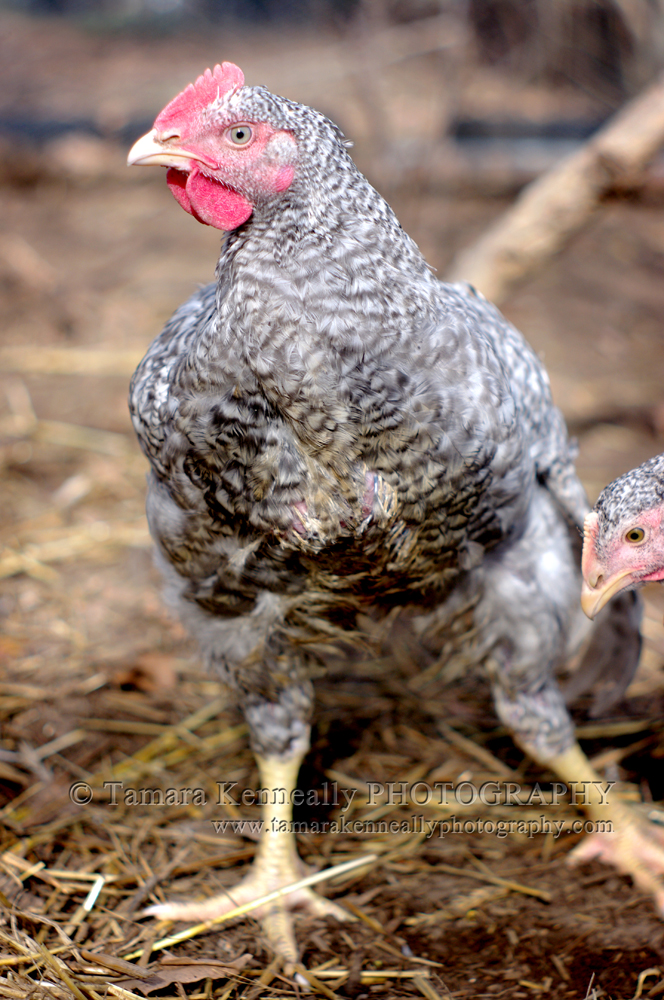
In a sea of 60,000 white baby broiler chicks (chickens bred for meat) stood Hedwig. Her beautiful grey feathers shone out against the white chickens and her sweet face was full of innocence. At one week old she was already enormous compared to a normal chick. You see, broiler chickens are chickens selectively bred for meat. The are selectively bred to grow as huge as possible in the shortest amount of time possible. Broiler chicks are roughly picked up from inside the sheds at between 5-7 weeks old, thrown onto a truck and sent to be slaughtered. So, when you are buying your chicken breasts, kfc or roast chicken for dinner, keep in mind that that individual bird was a terrified baby who only wanted some safety and love from a mother figure, but was denied it.

Hedwig was rescued from that broiler chicken farm with two other oddly coloured chickens, two boys, one who I named “Mogwai” and the other who I named “Colonel Eagle”. These three were thicks as thieves. The best of friends who were so excited to spend their lives being chickens together, the tragedy of their wish to grow old together was (thankfully) unknown to them. Broiler chickens have an incredibly short lifespan due to selective breeding. For a broiler chicken to live one year is an achievement indeed. Most broilers end up dying of heart failure and conditions directly related to their heart or directly related to their enormous size.

8web

I named her Hedwig after the owl in Harry Potter because she was so beautiful and her feathers looked just like an owls. She was the sweetest chicken. She was very interested in being one of the gang. She loved to hang out with the ex-battery hens and pretended she was one of them. She would climb up to the perches with the ex-commercial chickens until she got too big to continue to get up there.

7web

We found her passed away in December, 2013 at only 6 months old. A sweet young hen who wanted to live just like all her ex-battery sisters, but was bound to death due to her selective breeding.

Please don’t use my images without permission. All images are Copyright Tamara Kenneally
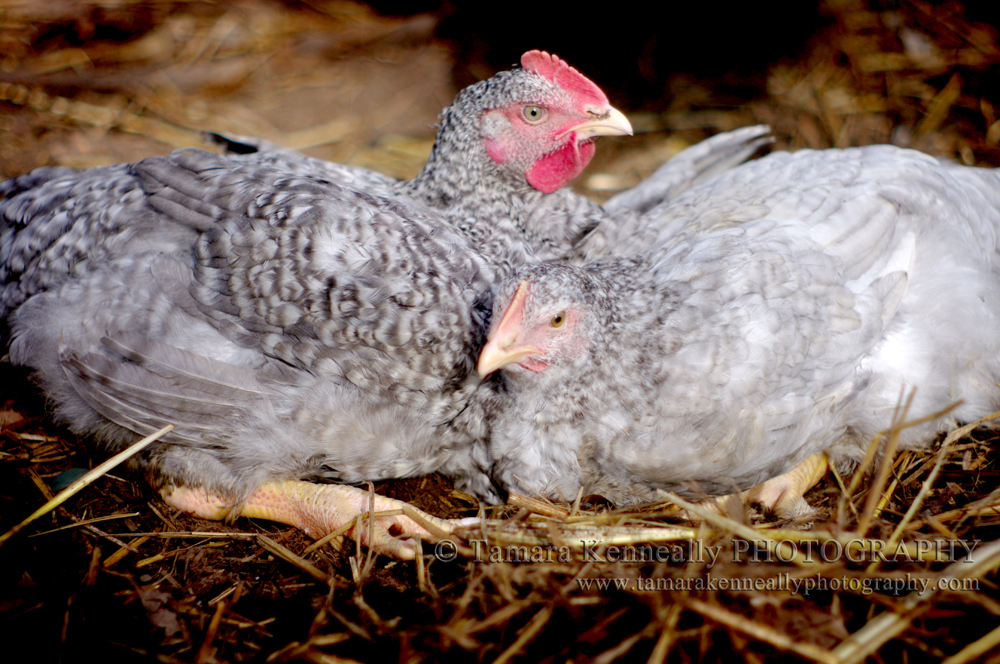
Colonel Eagle

In a sea of 60,000 white baby broiler chicks (chickens bred for meat) stood Colonel Eagle. His beautiful grey feathers shone out against the white chickens like a beacon in the ocean. At one week old he was already huge. You see, broiler chickens are chickens selectively bred for meat. The are selectively bred to grow as huge as possible in the shortest amount of time possible. Broiler chicks are roughly picked up from inside the sheds at between 5-7 weeks old, thrown onto a truck and sent to be slaughtered. So, when you are buying your chicken breasts, kfc or roast chicken for dinner, keep in mind that that individual bird was a terrified baby who only wanted some safety and love from a mother figure, but was denied it.

The farm that Eagle was rescued from.

Colonel Eagle was rescued from that Gippsland broiler shed in June 2013. He was rescued with two other chicks who were equally odd coloured. Mogwai, who was black and magnificent looking and Hedwig, who was also grey. These three little babies came to live at Lefty’s Place and formed such a tight friendship. Every day, you could see them bathing together and sunbaking together. Best friends forever.

3web

As the weeks went by, all three began to grow enormous. At two months past slaughter age Colonel Eagle was already having problems standing. His body was so huge that his legs were starting to give out when he stood up.

5web

He was such a sweet boy. He was never afraid of me and would run up to me for a pat. He was just a little baby trapped in a giants body and all he wanted was comfort and safety.

22web

I watched as he became bigger and bigger and knew he wouldn’t last out the week…and he didn’t. August 26, 2013 was Eagle’s last day on this earth. He’d only just turned 4 months old. He was affectionate, sweet and gentle. He closed his eyes when you scratched him under his chin. He felt safe in my presence. He was practising his crowing in the form of gurgles. He died because he was bred as a meat machine, but he was one of the rescued lucky ones. He never had to die in that factory farm because his legs wouldn’t carry him to the feeders or waterers. He never got picked up by his legs and thrown into the transport truck and he never had to experience the terror of slaughter. All those things I am grateful for. He was not a piece of meat. He was a very special and unique individual. Like they all are. Please don’t eat them.

Please don’t use my images without permission. All images are Copyright Tamara Kenneally
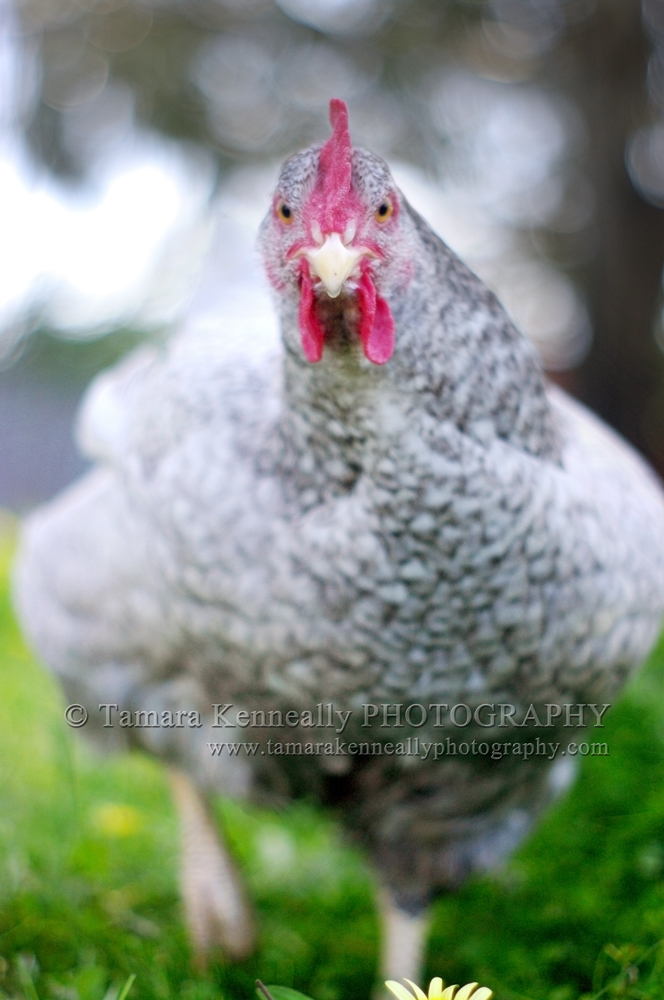
Rhonda

Rhonda was carried into our property early 2012. She arrived with her friend, Blackie, and both had been kept in a small backyard in town for about a year to provide their caretakers with eggs. No longer wanted or needed, they were both welcomed into the Lefty’s Place flock.

11WEB

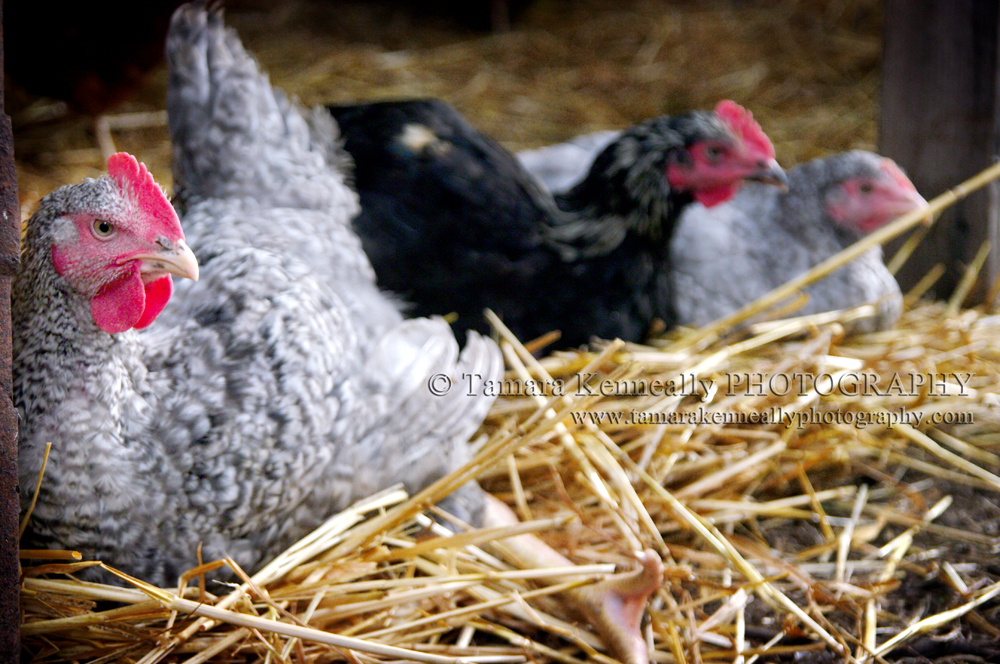
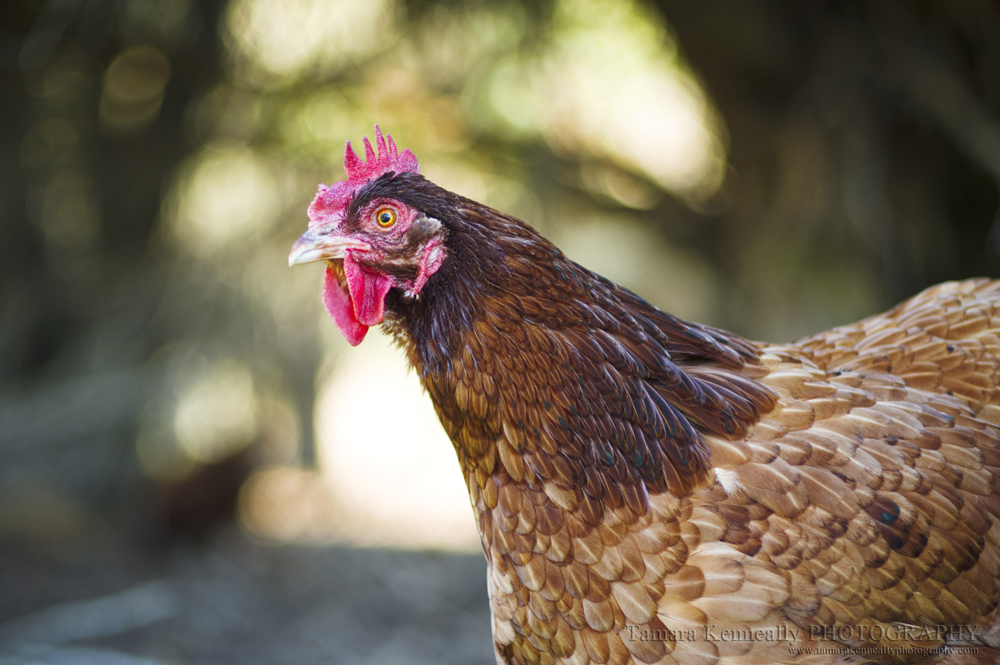
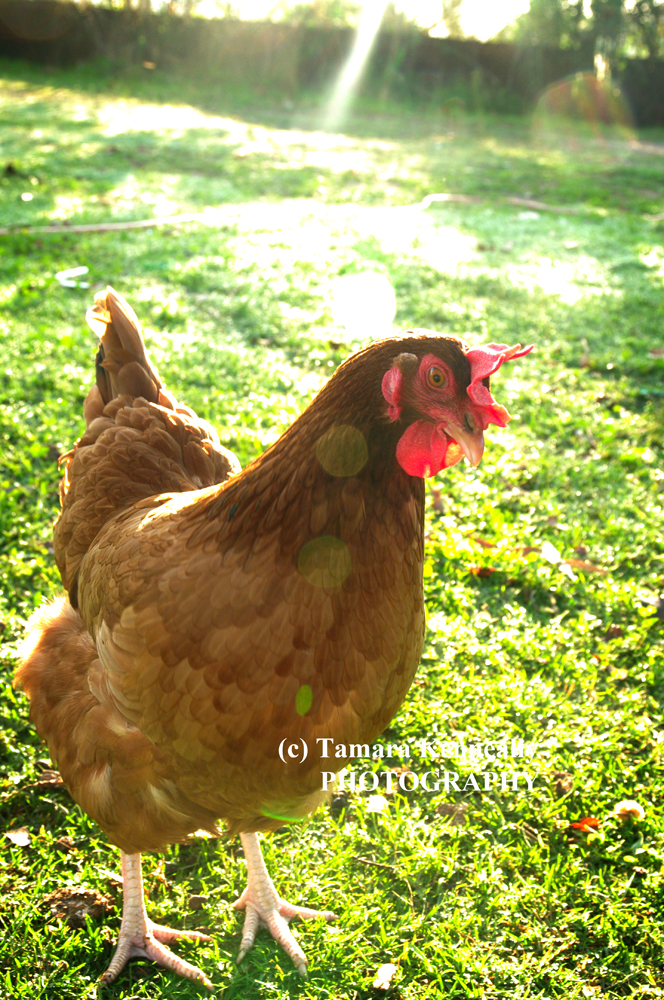
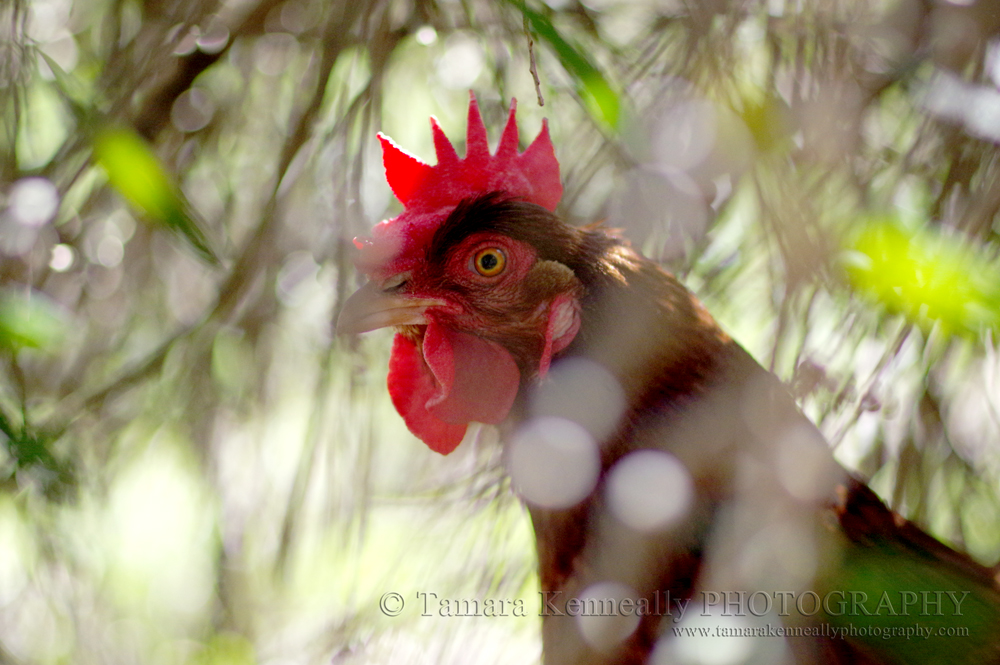
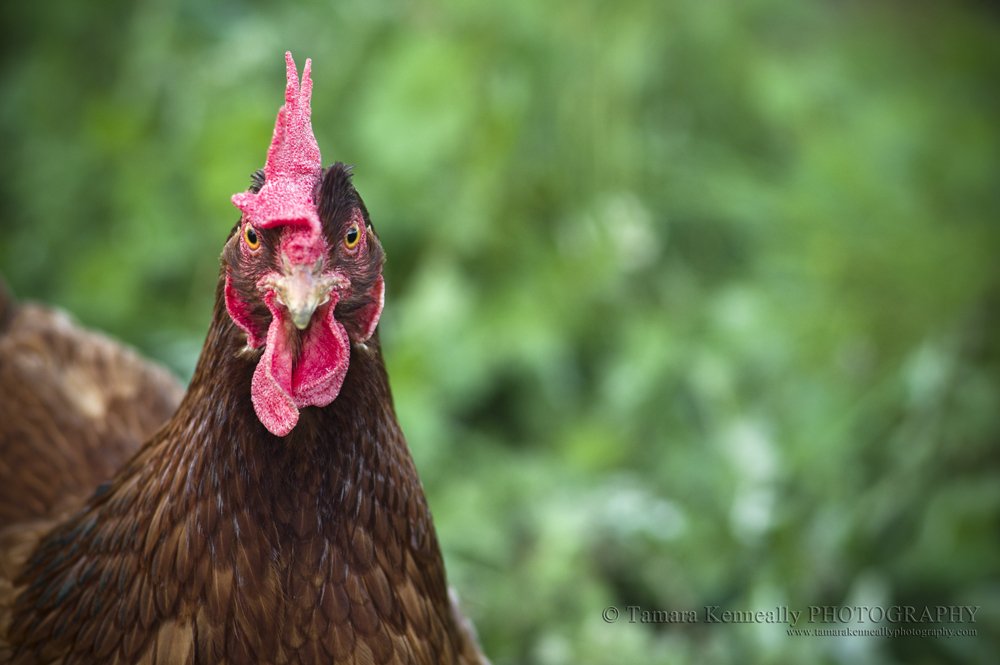
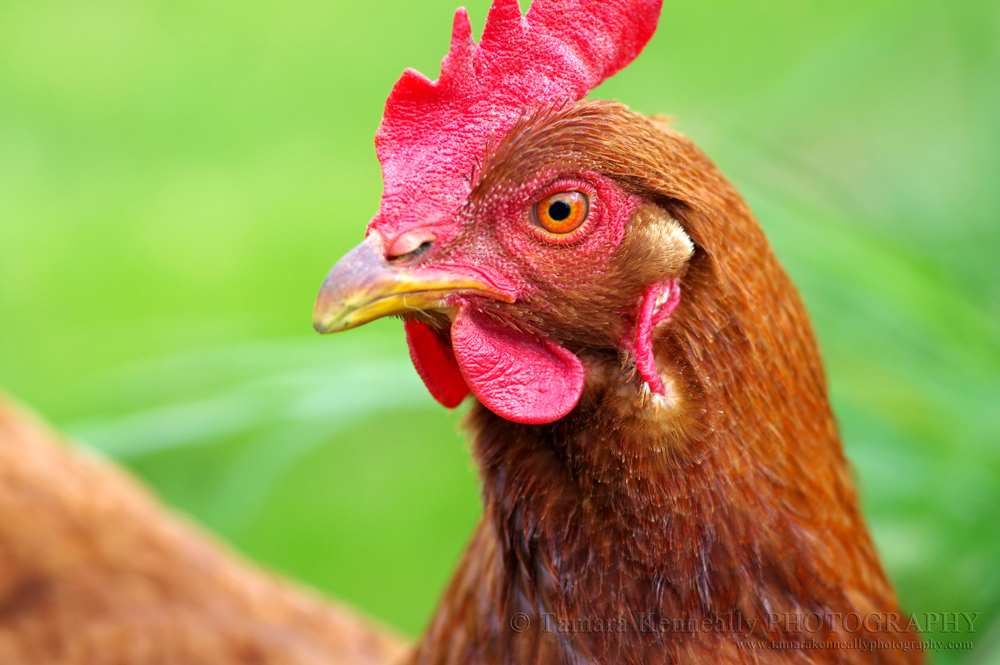
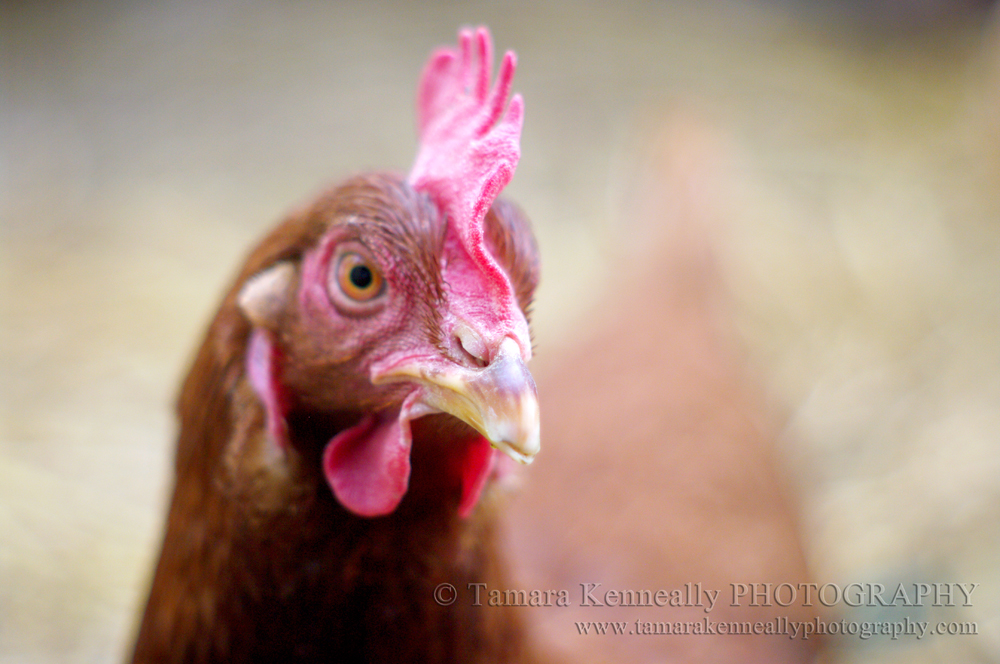
Rhonda is a beautiful Rhode Island Red hen who has attitude. She does not like to associate with the ex-battery hens, if you watch closely you’ll see her systematically peck each one of them in the head and then walk off with her beak held high in the air like royalty. For the first year or so, she gained the nickname “Roughead Rhonda” because she really was a bit feral and picking a fight was one of her favourite pastimes.

2web

These days, Rhonda has considerably mellowed. She spends most of her day looking beautiful and keeping away from the riff raft, ex-commercial hens.

16web

She is the brooder in our flock. She stubbornly sits on her eggs for weeks/months at a time. I take her out of her nesting box each day and hear the squeals of outrage she unleashes on me. After a drink and a bite to eat, she is straight back in that nesting box wearing her determined and committed face.

Please don’t use my images without permission. All images are Copyright Tamara Kenneally
Fran

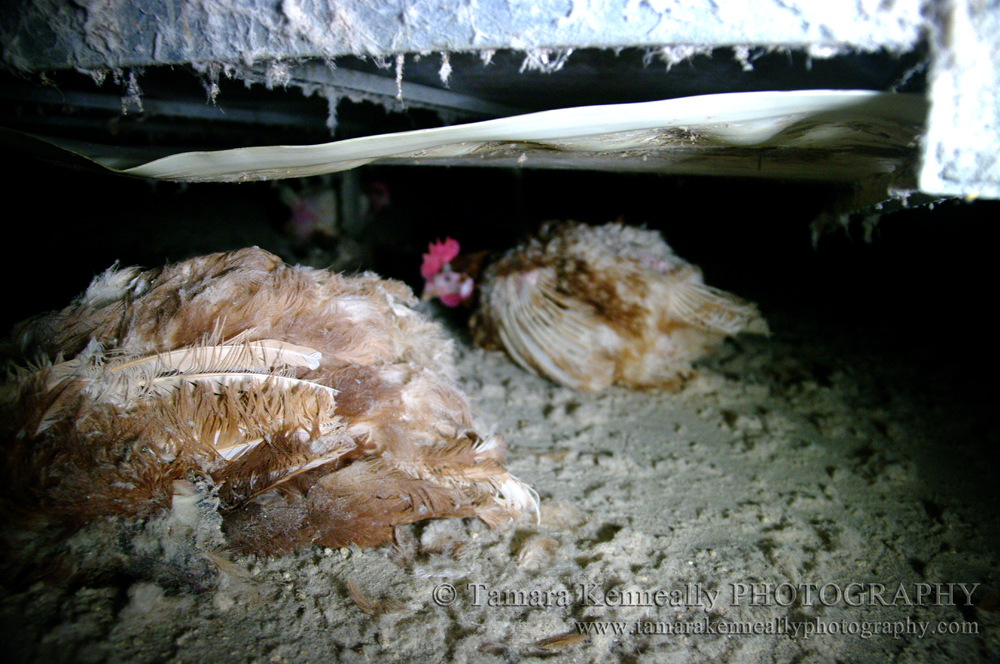
She was found on the floor of this farm in June, 2013. She would have been living on the floor for up to two weeks.

36web

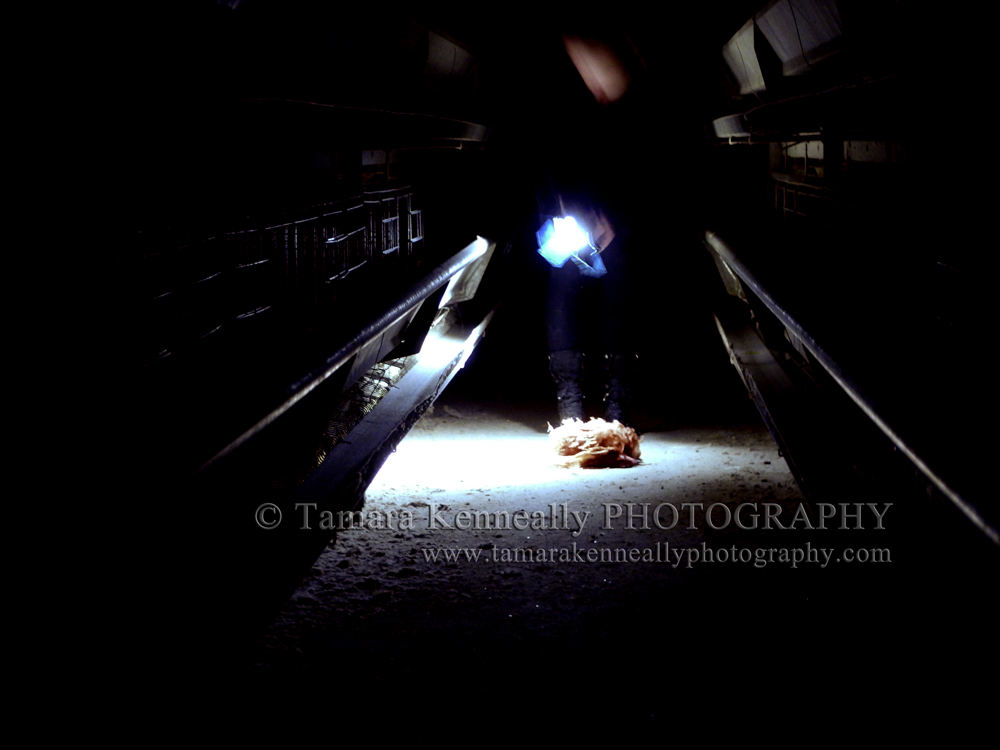
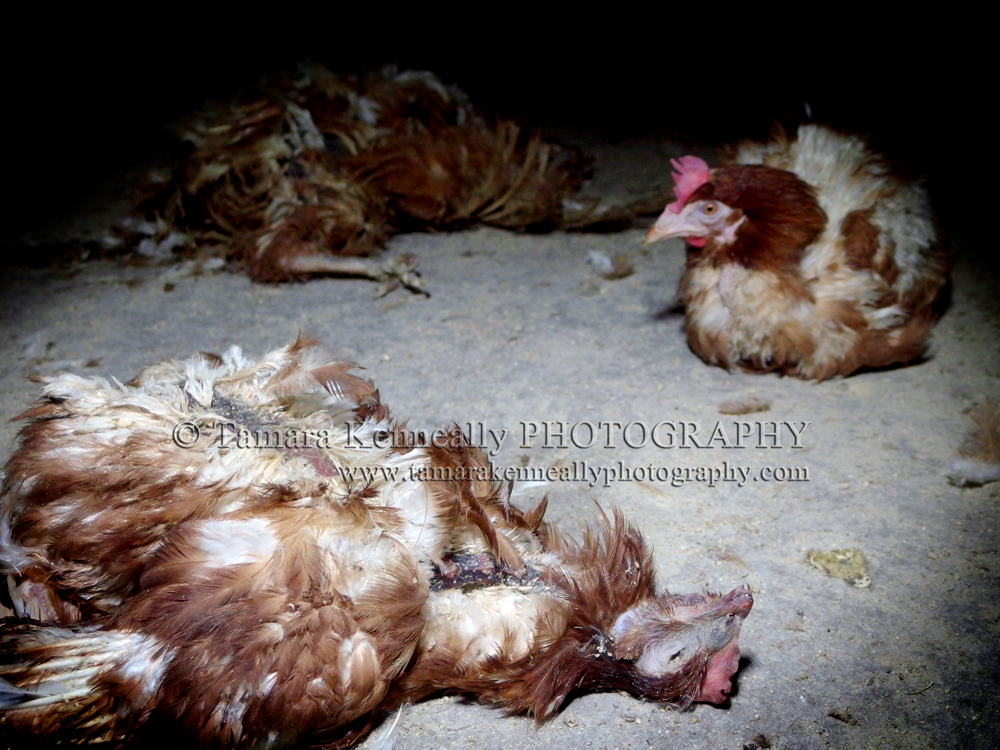
The shed she was in had just been depopulated. Every 18  months, egg farmers send all their hens to slaughter because egg production in hens starts to slow down at this age. Chickens can live up to ten years old, but not in the farming industry. This particular shed had been cleared. Tens of thousands of hens sat in the farmers front paddock, guarded by a dog, waiting for the truck to arrive to take them to their deaths. Their broken and bald bodies shivered in the cold of a June winters night. This happens in all egg farms, regardless of it being free range, organic, barn laid or cage. All hens in farming systems get sent to their deaths at 18 months old. The only thanks they get for their 18 months of imprisonment is death.

24web

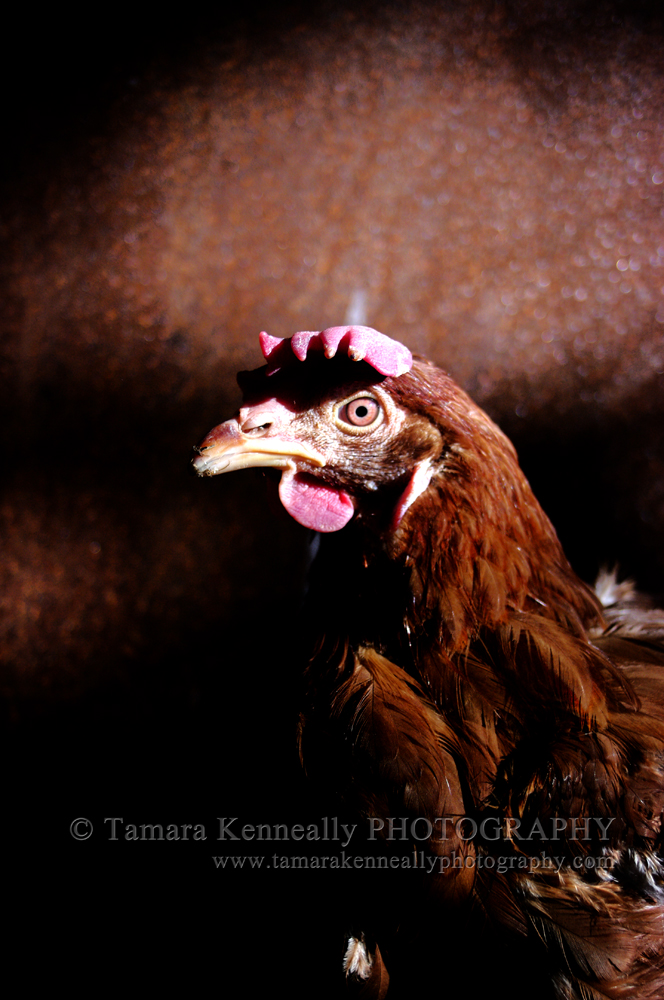
After depopulation, there are always hens left in the sheds. Always. These hens are the ones who either escaped the hands of workers, who were thrown onto the floor by workers deliberately or who were deemed to sick to bother with. Fran was one of these girls. She was found barely able to move, crouching on the floor. She hadn’t eaten or had water for about a week and was close to death. She was left behind to die a painful, miserable death.

4web

Fran came to live at Lefty’s Place with a group of other hens from the same farm. They all smelt of death, had broken bones and were starving. Fran was particularly terrified and spent the whole first week hiding behind a nesting box on the floor of the chicken coop. She was incredibly scruffy looking and sickly. Even though she was hiding, she would stick her head out behind the box every now and again and talk back to me. She was so afraid, but really wanted to join in with the rest of the world. She ended up making friends with three newly rescued broiler chicks who had arrived at the same time and eventually came out from behind the box.

13web

From then on, Fran’s transformation began. She began to trust me and talk to me more. In fact, she became one of the biggest talking hens I’d ever had the privilege to care for. Because she was such a big chatterbox, I named her “Fran”, after Fran in the comedy series, “Black Books”. This name suited her to a T.

19web

These days, Fran is one of the top hens in our flock. She is Super Chicken’s favourite lady and an absolute stunner. She still makes a point of chatting to me daily to tell me her news and I am very happy to listen.

15web

Every single one of these hens in farms is an individual, a unique and special individual.

Society needs to realise this or there is no hope for these beautiful, intelligent birds.

Please don’t use my images without permission. All images are Copyright Tamara Kenneally