Zoo

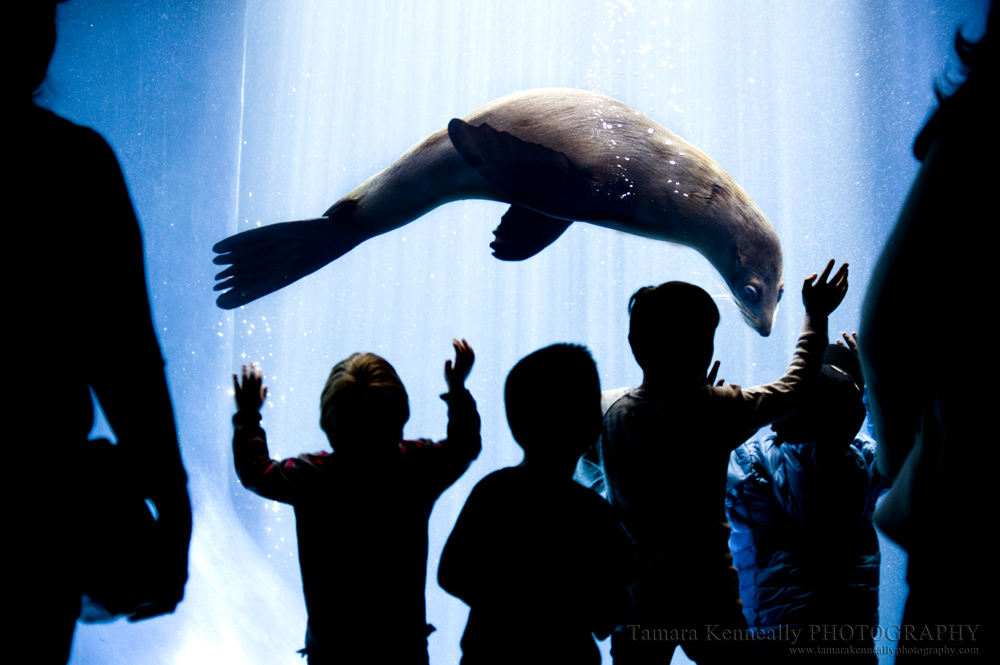
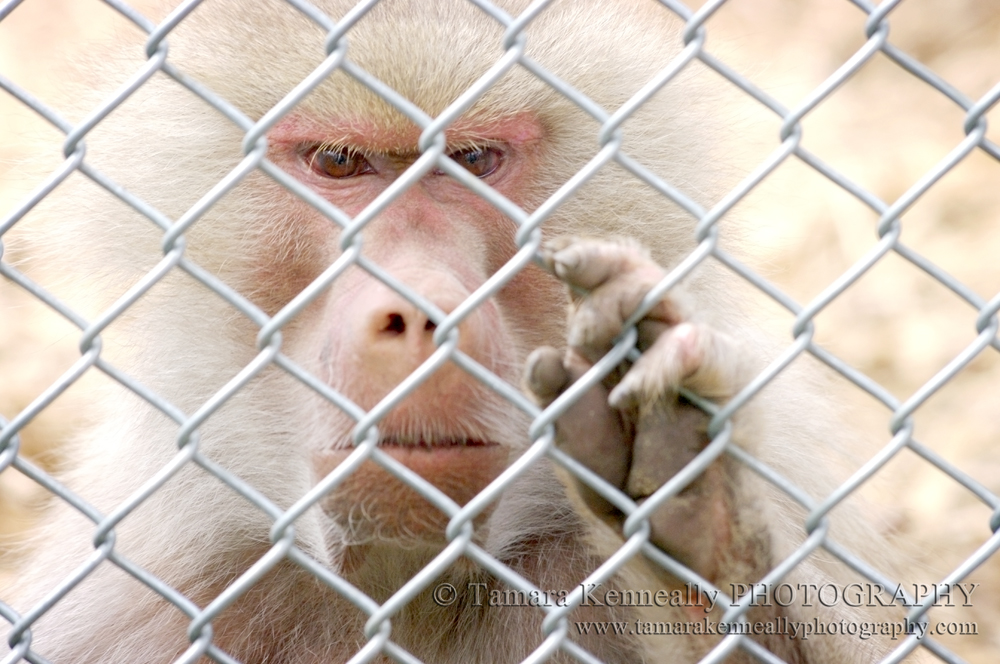
Zoos and I have an uncomfortable relationship. I go to zoos to capture the animal’s who live in them, but I spend alot of my time in tears. I cry whilst witnessing the big cats pacing up and down their cages. I cringe at the amount of space the Elephants have to walk around in. I tell the captive birds how sorry I am whilst their free brothers and sisters fly wild overhead. Every single captive animal in a zoo has their own story to tell in their eyes.

I’m on a mission to capture their loves, hates, hopes and frustrations. Their individuality despite their captivity.

zoo

7web

  Zoos were primarily invented  to provide a source of entertainment for humans and to make money, which is definitely not something I agree with, but these days SOME zoos are better than others, keeping in mind zoos are still all about making money …from animals

A good zoo is involved in worldwide captive breeding programs for endangered species, a small percentage of which are successful in releasing animals back to the wild. Good zoos provide their animals with enviromental enrichment, to try to stop the boredom they feel being in the same enclosure day in, day out. Animals in zoos develop stereotypical behaviours such as rocking back and forth, repetitive pacing and fence licking… and that’s just to name a few. Progressive zoos spend money on new enclosures with the particular specie’s needs in mind and often do their best to copy as much as possible from their wild homes into their captive homes. Great keepers also form strong bonds with the animals they look after.

7web

A bad zoo is a place you walk into where you just know that they do not care about the animals. Over the years I’ve been to zoos and animal parks where the animal’s water has turned to mud, where the enclosures were full  of bread that the owners had thrown in for the animals feed and where the animals beaks and nails were so overgrown that they were starting to curl. So many zoos around the world are disgusting, barren, concrete wastelands full of sad, trapped and sick animals. Animals who never did anything wrong to condemn them to lives in hell.

Either way, good zoo or bad zoo, the animals are the ones who are trapped because of human’s selfish need to destroy the planet for their own gain and their desire to possess and control everything around them.
4web

1web

Animals don’t belong to humans and they certainly don’t belong in cages.

Below is a slideshow of selected captive animals in zoos from over the years.
Please don’t use my images without permission. All images are Copyright Tamara Kenneally.
Farewell Autumn

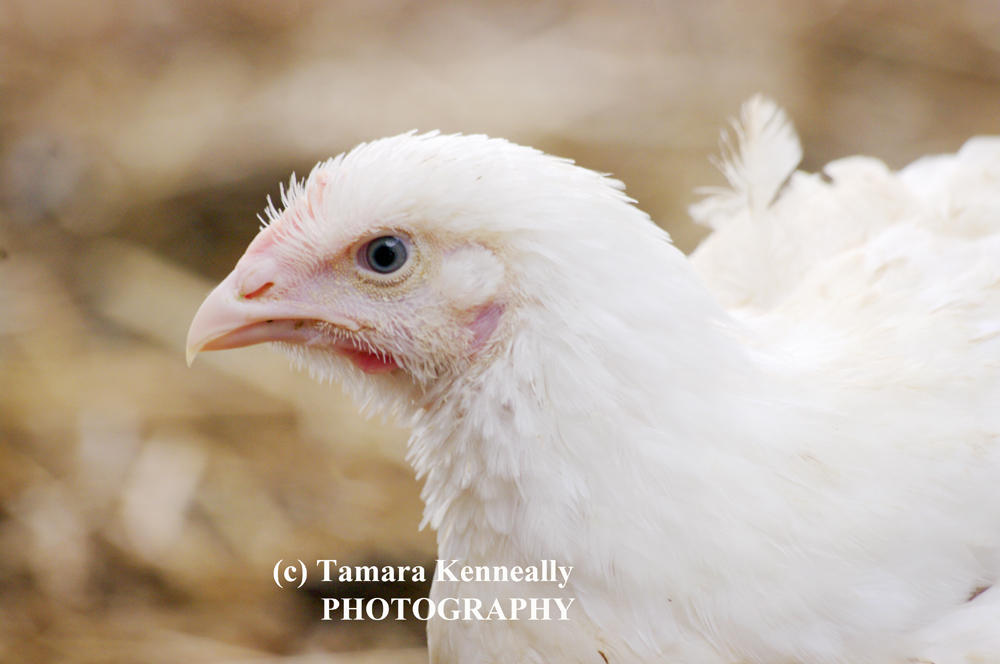
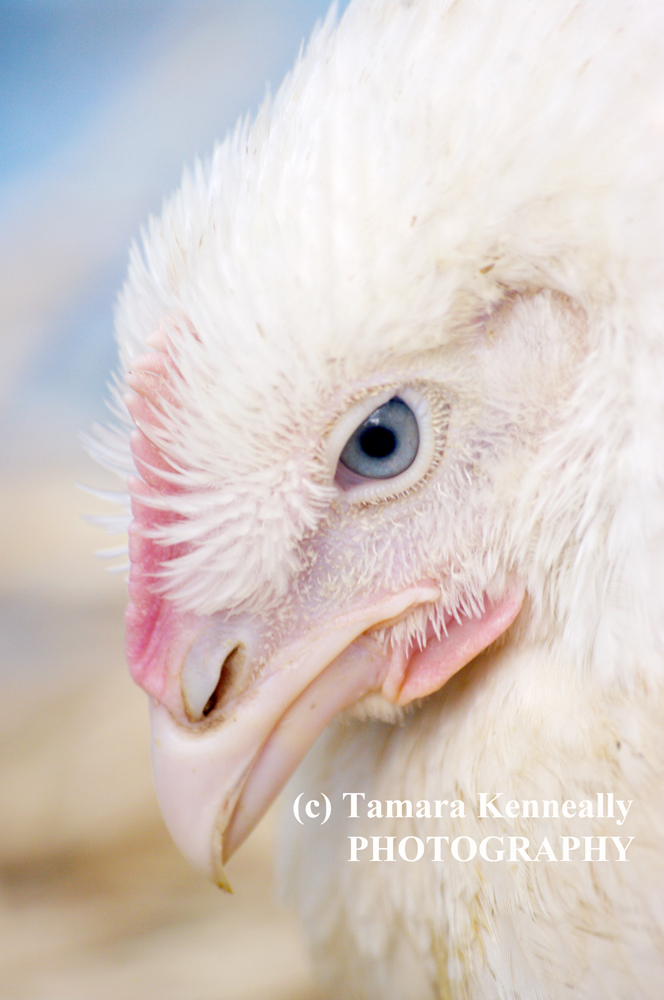
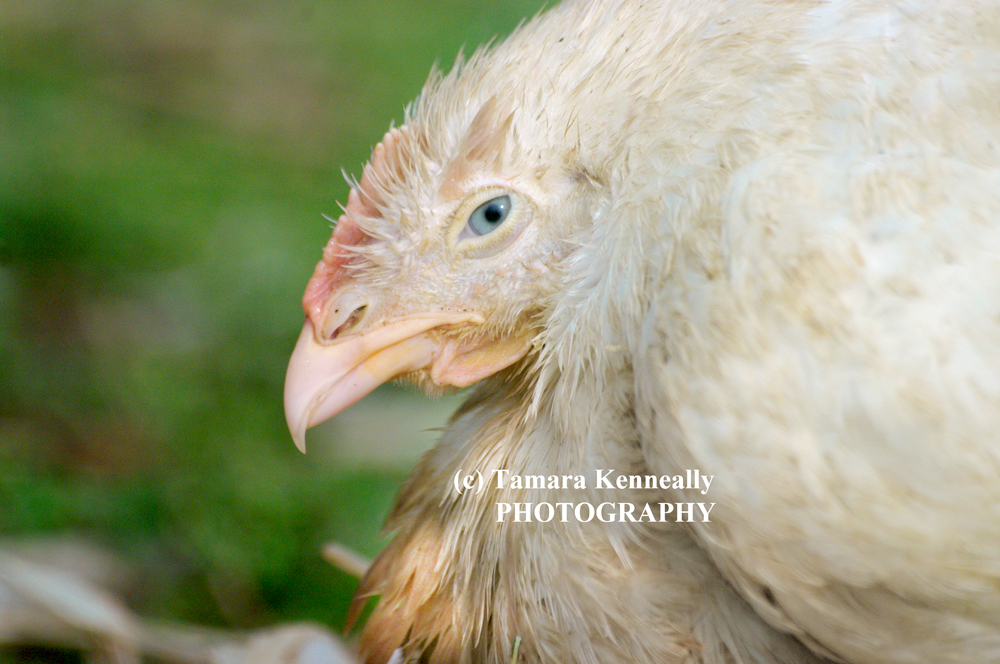
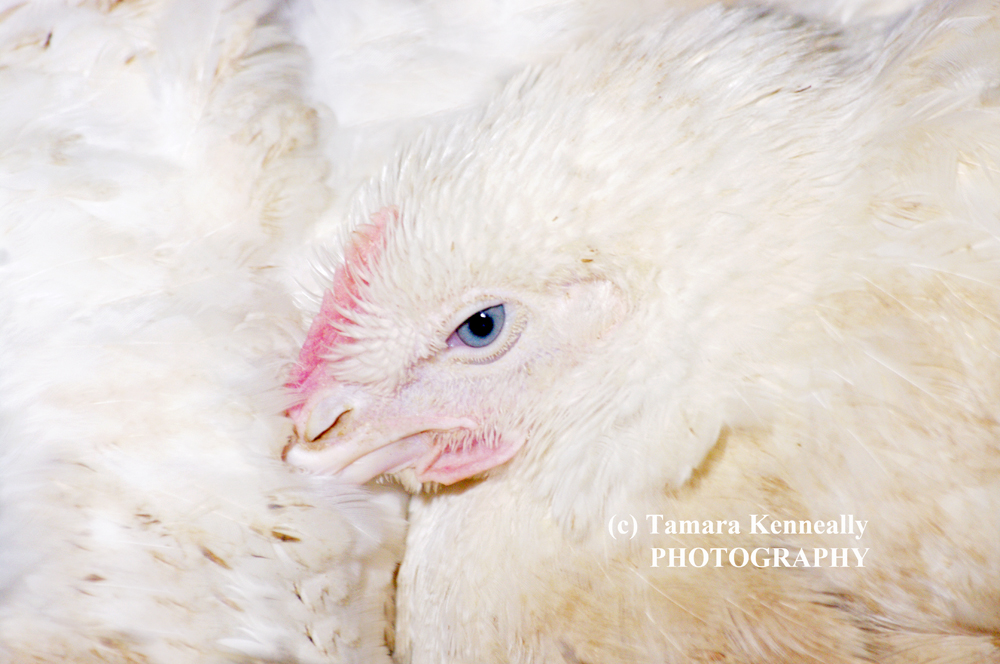
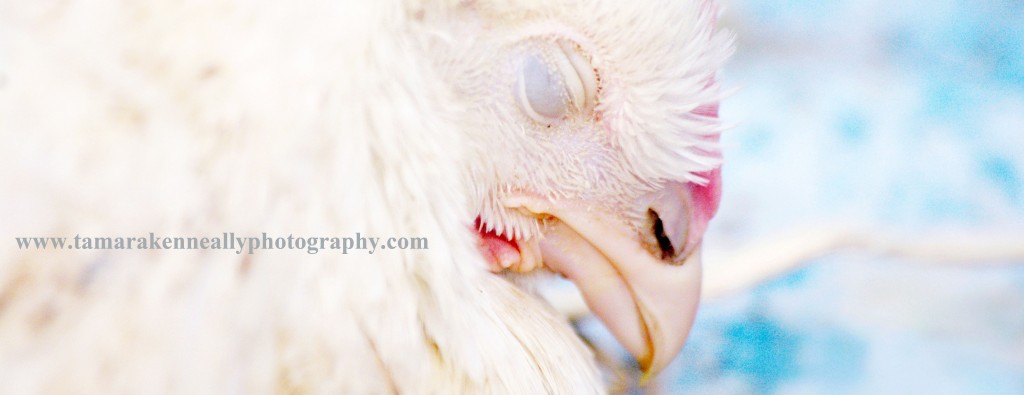
Little Autumn only got to be in this world for 9 weeks. Her genetically, selectively bred body could no longer cope. This is what happens to broiler chickens who are bred for meat. Please keep them in your mind when choosing your food. She rests beside her broiler chicken family who passed away before her, Chloe and Molly.

Rest In Peace little lady, may there be watermelon and sunny days wherever you are now.

She was someone, not something.

Please don’t use my images without permission. All images are Copyright Tamara Kenneally.
Autumn


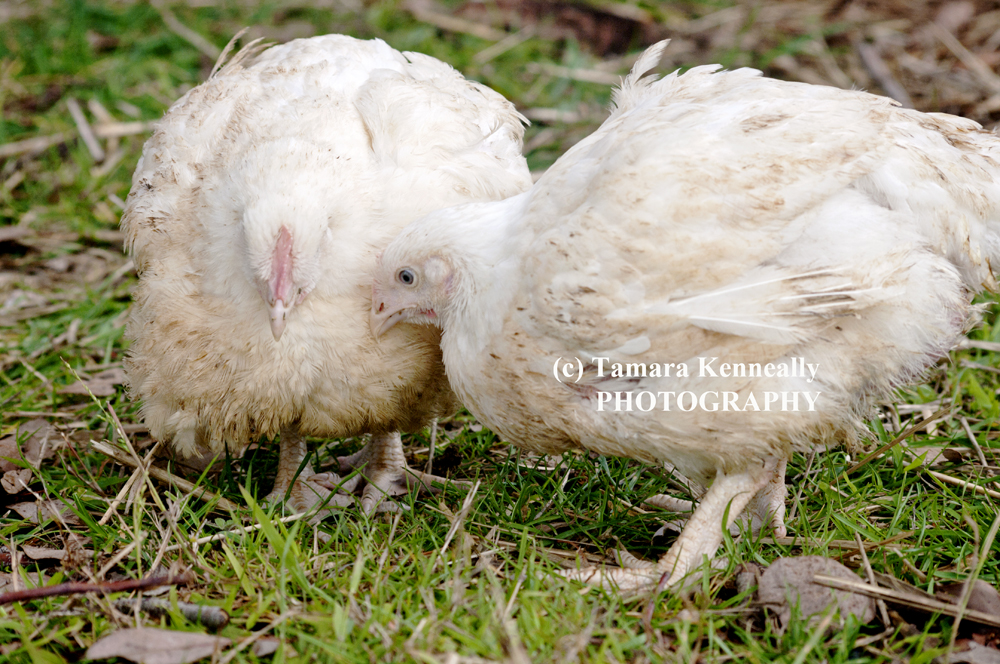
Autumn and Summer came to us when they were four weeks old. They were rescued from an intensive meat chicken factory. Chickens from these factories are called “broiler chickens”. Broiler chickens are selectively bred to grow as fast as possible in the shortest amount of time as possible. What this means for the poor baby chickens is that their bodies are bigger than they can physically handle. They are bred to be slaughtered at 5-7 weeks old. They are the chickens you see in your supermarket or your local take-away shop.

These two little ladies are currently growing up inside the house until they get strong enough to hold their own with the other hens outside. Everyday they get taken outside into their enclosure to enjoy the sunshine and the air, two things they were denied since birth in the factory farm. I showed them dirt on their second day with us and put some on their bodies. Summer got so excited and started grabbing grass and trying to scratch dirt at the same time. They never had a mother that they were allowed to meet to teach them all the things that are important to chickens like dust bathing and foraging. They lived in a dark shed which smelt of ammonia and sat in faeces and urine all day surrounded by so many other poor chickens that they could hardly move. Many of the chickens around them would’ve been sick or dead from such things as heart failure, lameness and starvation.

Animals Australia recently featured broiler chicken Autumn on their website. They wrote about her in a heartwarming piece that made me (and many others) cry. You can see the full feature here – http://www.animalsaustralia.org/features/factory-farmed-rescue-chicken-autumn.php

This is Autumn’s story
(written by the amazing Karen Nilsen from Animals Australia)

“This is Autumn. She is quiet, but when she chirps, she sounds like a baby. She never knew her mother, but constantly seeks comfort and protection from those around her.Until recently, the only life she knew was inside the walls of a factory farm. She never saw the sun. She had no room to move, and lay in faeces covered litter every hour of every day.Autumn was valued only for how much meat she could produce. Her body was bred to grow many times faster than nature intended. At just 30 days old, she already carries the weight of an adult, and struggles to walk.

Chickens like Autumn are not designed to live past six weeks. Soon Autumn is likely to succumb to lameness or heart failure. But in her last weeks or months, she is discovering what brings joy and meaning to her life. Her eyes close in delight whenever the sun hits her face. She has developed a profound love for watermelon. Yesterday, she learned to dust bathe…

She enjoys time with her feathered companions. In fact, she becomes distressed if she and her best friend Summer lose sight of one other.Last week the chickens Autumn grew up with were packed into crates and trucked to slaughter. This week they will be on supermarket shelves.

Autumn lives on, and if you share this, so will her story.She is someone, not something.”

Below is a gallery of Autumn and Summer which I’ll continue to update as they grow up in a world of freedom.

Please don’t use my images without permission. All images are Copyright Tamara Kenneally.
Sheedy

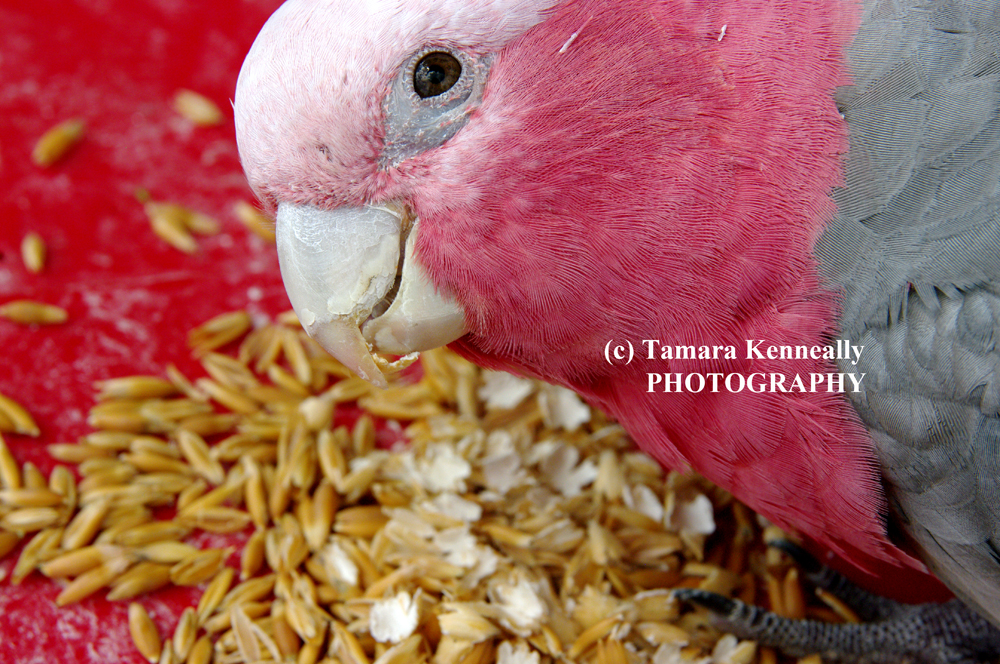
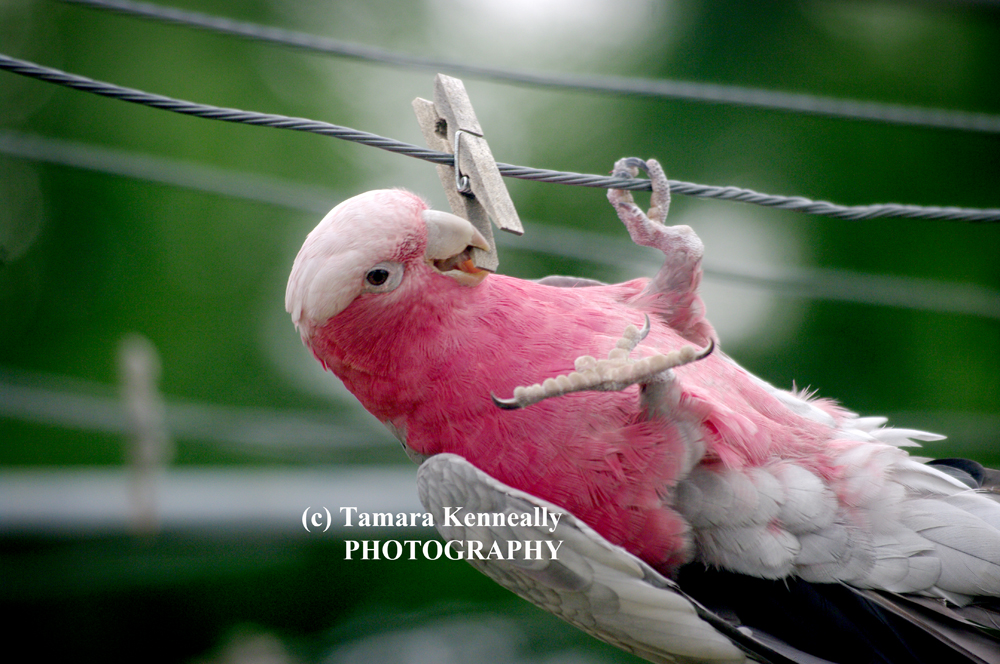
One  sunny day last November, I was hanging around outside taking photos of the sheep etc, when I felt something crawling up my back. Five seconds later whoever it was had taken hold of my ear to bite. To my surprise, it was a Galah and quite a young Galah at that. He was such a funny little character. We named him Sheedy.

 Sheedy decided to stay at our place from then on. He’d be there in the morning waiting for some seed and be there again in the early evening for a bite to eat as well. He sat on our shoulders, grazed with the sheep and also attacked the sheep when they got too close. He’d obviously been someone’s pet at some stage as he was comfortable walking inside and hanging out whilst we watched tv. We gave him complete freedom. If he chose to stay, we would be delighted. But if he chose to move on, we would miss him…but it was entirely his choice.

Then one awful day, we  didn’t see him in the morning and thought it was strange. Sadly, we found him dead at the front gate. We think he may’ve been hit by some sort of vehicle and then tried to make it back inside our gate. We were devastated. He was such a joy to know and we speak of him often. It was such a pleasure to see him enjoying his life as a free bird. Wherever you are now little man, fly free.


Please don’t use my images without permission. All images are Copyright Tamara Kenneally.